Banks to Charge ₦50 Stamp Duty on Transfers Above ₦10,000: What It Means for You
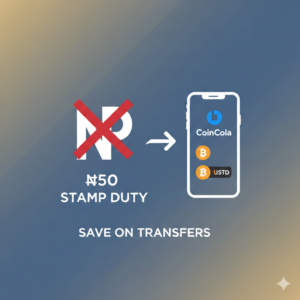
Starting January 1, Nigerian banks will charge a ₦50 stamp duty on transfers above ₦10,000. This Electronic Money Transfer Levy (EMTL) applies to all electronic receipts. To minimize these costs, many savvy users now choose to buy bitcoin in nigeria via CoinCola to manage wealth outside traditional banking friction.
The Nigerian financial landscape is witnessing another shift. Following directives from the Federal Inland Revenue Service (FIRS) and the Central Bank of Nigeria (CBN), commercial banks have confirmed that starting January 1, a ₦50 stamp duty (Electronic Money Transfer Levy) will be deducted from every electronic transfer of ₦10,000 or more.
For frequent traders, small business owners, and crypto enthusiasts, these micro-charges can quickly aggregate into significant monthly losses. Understanding how to navigate this new fiscal reality is essential for preserving your capital.
Understanding the New ₦50 EMTL Rule
The ₦50 charge isn’t entirely new, but the enforcement and strict threshold of ₦10,000 make it a critical factor for daily transactions. Whether you are sending money to a friend or paying a vendor, any “credit” into a bank account exceeding the threshold triggers the deduction.
This policy is part of the government’s effort to increase non-oil revenue through electronic transaction taxes. While a single ₦50 charge seems small, a trader making ten transfers a day would lose ₦15,000 a month just to stamp duties—excluding standard bank transfer fees.
Why This Impacts the Nigerian Crypto Market
Nigeria remains one of the global leaders in peer-to-peer (P2P) cryptocurrency trading. However, P2P trading relies heavily on bank transfers. Every time a trader sends Naira to a seller to buy bitcoin in nigeria, they are now likely to hit that ₦10,000 limit.
For the high-volume trader, these levies act as a “hidden tax” on liquidity. This is why more Nigerians are looking for ways to optimize their trading habits, such as consolidating smaller trades into larger ones or keeping their assets in stablecoins like USDT on platforms like CoinCola.
How to Save on Charges with CoinCola
As the cost of traditional banking rises, CoinCola provides a strategic alternative for managing your digital wealth. Here is how you can stay ahead:
- Consolidate Your Trades: Instead of making five ₦10,000 transfers (costing ₦250 in stamp duty), execute one ₦50,000 trade on the CoinCola P2P market to pay the levy only once.
- Hold Value in Digital Assets: By keeping your funds in a Bitcoin or USDT wallet on CoinCola, you avoid the need for frequent bank transfers, effectively “locking” your value away from recurring bank deductions.
- Peer-to-Peer Efficiency: When you choose to buy bitcoin in nigeria through CoinCola’s secure escrow, you are dealing with a platform optimized for the local market, ensuring fast transactions that make every Naira count.
The Shift Toward a Digital Economy
The introduction of the ₦50 stamp duty on transfers above ₦10,000 is a reminder of the rising costs of the traditional centralized banking system. For Nigerians, cryptocurrency is no longer just a speculative investment; it is a practical tool for financial efficiency.
By using CoinCola, you gain access to a robust P2P marketplace where security and transparency come first. Don’t let bank levies erode your hard-earned profits. Stay informed, trade smart, and embrace the future of finance.
Ready to beat the bank charges? Read CoinCola Naira (NGN) Balance Service is Live and discover the best way to buy bitcoin in nigeria and manage your assets with ease.